
Court rejects Morrisons’ ‘cool-down’ chicken argument in VAT dispute
Posted by Emily on 16th Dec 2025 Reading Time:
Morrisons is facing a £17m tax bill after losing a long-running legal challenge over whether its rotisserie chickens should attract VAT as “hot food”, in a ruling that revives unresolved questions from the “pasty tax” era about how the UK draws its tax lines around everyday items.
In the judgment, the court sided with HM Revenue & Customs (HMRC), concluding that Morrisons’ cooked chickens were sold at more than an “incidentally hot” temperature and should therefore be taxed at the standard 20% rate that applies to hot takeaway food.
The dispute traces back to 2012, when the Treasury under then chancellor George Osborne attempted to widen VAT on hot takeaway food, a move that quickly became known as the “pasty tax”. After a public backlash, the approach shifted away from a simple test based on “ambient temperature” and towards a more detailed distinction between food kept hot in heated cabinets and items cooling down on racks, which could be sold VAT-free if only “incidentally hot”.
Morrisons argued that its rotisserie chickens should fall into that exemption, saying most shoppers took them home to eat cold or to reheat later as part of an evening meal. In evidence reported from the proceedings, the company cited research suggesting more than 80% of customers consumed the chicken cold or later, and warned that applying VAT could push the price from around £4.40 to £5.28, above what many customers said they were willing to pay.
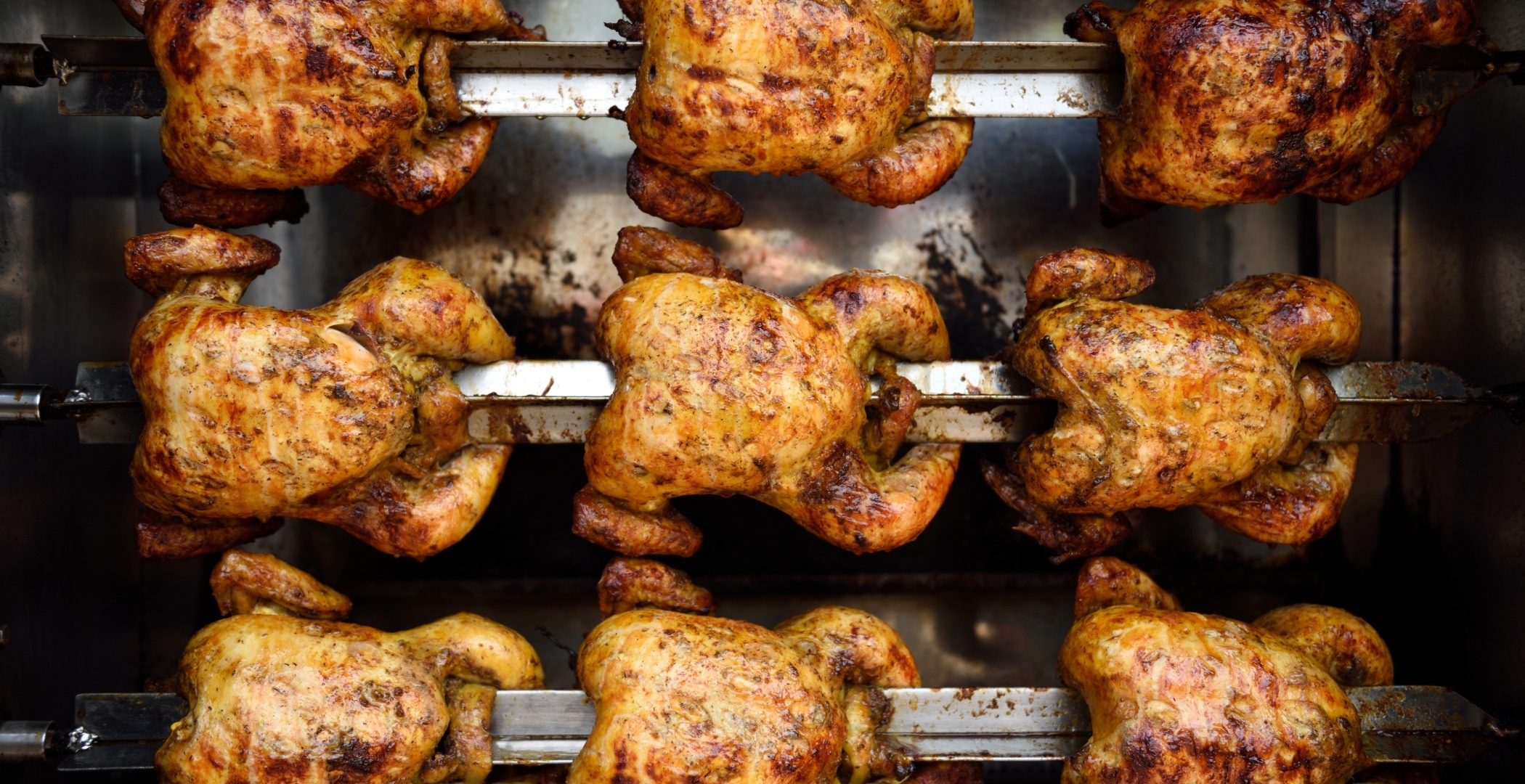
However, the ruling placed weight on the way the product was presented and handled at the point of sale. The chickens were sold in packaging described as foil-lined and labelled “Caution: Hot Product”, and the court heard that unsold birds were removed from sale after around two hours, while still well above room temperature. Expert evidence cited in coverage put the temperature of a bagged chicken after two hours at roughly 42–45°C, compared with about 31.8°C if left to cool without the bag.
The judge also criticised Morrisons for failing to disclose material details relevant to the assessment, including the heat and fluid-retention characteristics of the bags and the two-hour removal practice, and rejected the idea that HMRC had given clear and unambiguous assurances in 2012–14 that would protect the retailer’s position. HMRC, the court concluded, had not set out specific rules for rotisserie chickens, leaving the dispute to be settled through litigation rather than guidance.
While most reports characterised the decision as a High Court ruling dated 11 December and made public days later, one account described it as a First-tier tribunal decision and said the £17m related to VAT for the period from January 2017 to July 2020. Taken together, the coverage indicates a costly, multi-year dispute that ultimately failed to shift HMRC’s position on how the chickens should be treated for VAT purposes.
Morrisons declined to comment in multiple reports. The practical question now is how far the cost is absorbed or passed on. Tax specialists quoted in coverage said consumers were likely to see higher prices unless retailers accept lower margins, and warned that the outcome could apply more widely to any supermarket or shop selling rotisserie chickens that has not been accounting for VAT at 20%.
Beyond the immediate bill, the case underscores a broader point about a tax system that often relies on courts to decide how ordinary products fit into definitions originally designed for clearer categories. Recent disputes over whether certain flapjacks count as cakes, and other VAT classification rows involving confectionery and bakery items, have illustrated how frequently the boundary is contested and how expensive it can be to argue over it.