

Leon’s co-founder reclaims the brand and promises a sharper, simpler menu
Posted by Emma on 2nd Dec 2025 Reading Time:
John Vincent, the co-founder of Leon, has bought back the healthy fast-food chain from Asda, four years after selling it in a £100 million deal to EG Group. He is now planning a wide-ranging turnaround that he says will restore the brand’s original purpose and reverse a period of financial decline.
Vincent, who launched Leon in 2004 with Henry Dimbleby and chef Allegra McEvedy, argues that the chain lost its way as ownership changed hands and cost-cutting took priority. He describes Leon as a case study in what can happen when businesses pursue profit at the expense of product quality, culture, and long-term customer loyalty.
A brand built on “naturally fast food”
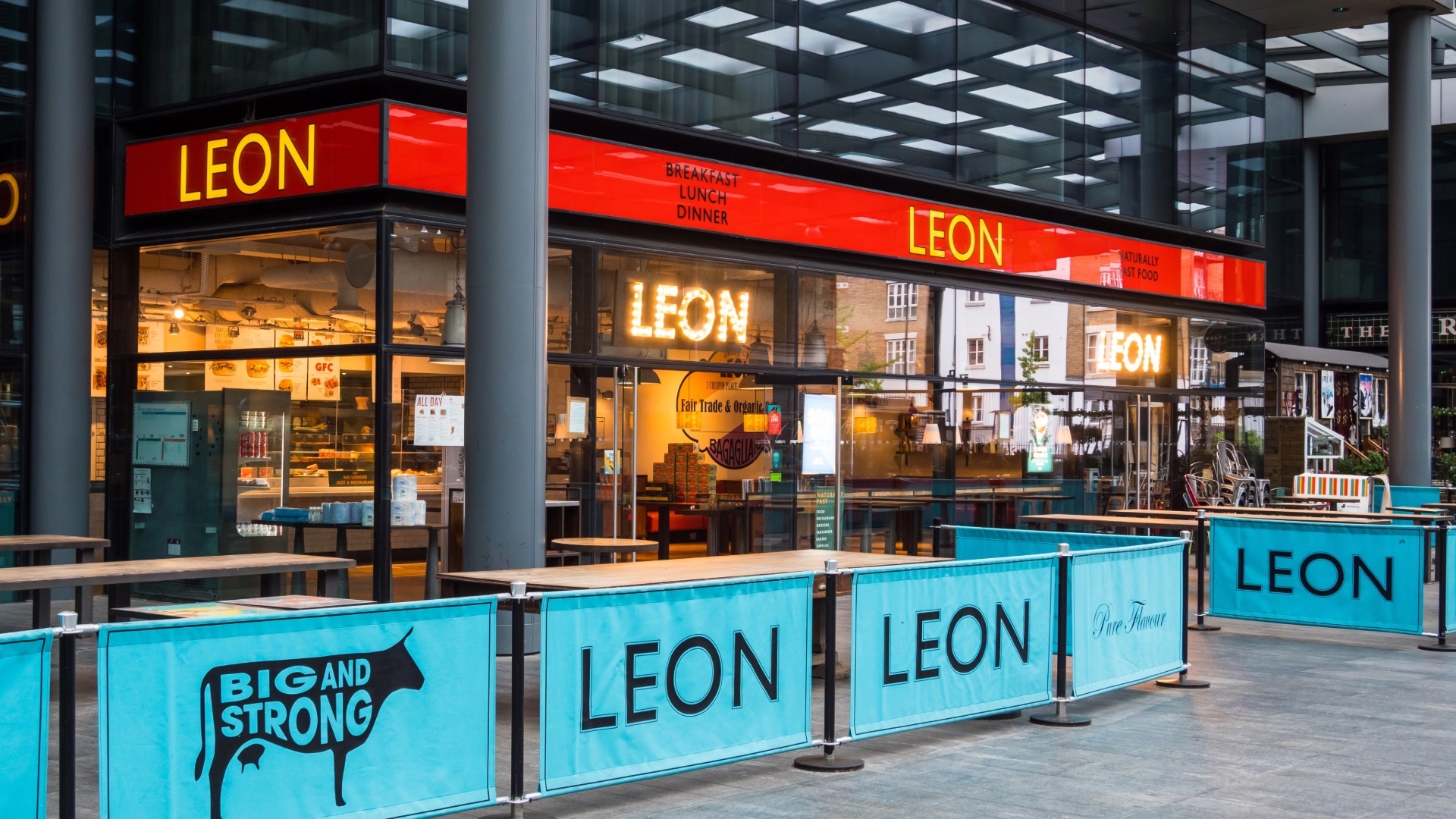
Leon rose to prominence in the 2000s and 2010s by offering Mediterranean-inspired meals positioned as healthier alternatives to mainstream fast food. Early menus focused on rice boxes, salads, herbs and spices, and lower sugar content, which helped Leon stand out during a period when UK high streets were dominated by burger chains and casual dining.
Vincent took over as chief executive in 2014. Dimbleby left the board in 2017 and has confirmed he will not be involved in the new phase of ownership, though he has publicly backed Vincent’s return.
From pandemic sale to post-sale decline
Vincent sold Leon in 2021, citing exhaustion after Covid-19 and the pressures of operating through the lockdown era. He also became a vocal critic of pandemic restrictions, saying he believed they harmed public health and young people in particular.
After the sale, Leon moved through EG Group and then Asda, following a restructuring of the Issa brothers’ wider retail empire. During this period, the chain expanded further into motorway and travel locations, and critics argued the menu drifted towards more conventional fast-food items.
Financially, performance weakened. Sales across around 80 sites fell from £64.9 million in 2023 to £62.5 million in 2024, while pre-tax losses were reported at £8.38 million. Vincent says the brand became an “orphan” within larger retail groups that had other priorities.
What the turnaround could involve
Vincent has not disclosed what he paid for the business, though industry sources quoted in the interview suggested a substantial discount. His plan begins with property and cost realities. He expects to renegotiate rents, close loss-making sites, and reduce headcount if needed.
Operationally, he is promising a return to a smaller, more focused menu shaped by seasonality and consistency. Best-selling items such as the chicken satay rice box are likely to remain, but the broader range will be redesigned in spring.
He is also pushing tighter restaurant standards, including daily checks on cleanliness and a renewed focus on basics such as service flow, rather than heavy reliance on technology. Self-service kiosks may be reviewed, though he acknowledges some customers prefer them.

A wider critique of hospitality economics
Beyond Leon’s internal plans, Vincent is using his return to make a wider point about the direction of UK hospitality. He argues that cost-first strategies, especially those driven by short-term financial targets, risk weakening brands rather than saving them. As an example, he claims that switching ingredients to cheaper alternatives lowered quality and ultimately reduced sales.
His criticism reflects a tension familiar to many operators in the fish and chip and broader hospitality sectors: margins are tight, labour and rent pressures are high, and businesses are routinely forced to weigh product standards against price sensitivity. Vincent’s view is that the long game still belongs to those who protect quality and purpose, even when that is harder in the moment.