
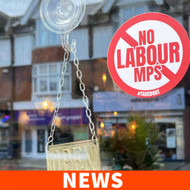
Pubs and restaurants turn away Labour MPs in dispute over rising business rates
Posted by Emma on 11th Dec 2025 Reading Time:
A growing number of pubs and restaurants across England are barring Labour MPs from their premises in protest at the government’s Budget and rising business rates, in an unusually public rupture between the hospitality trade and ministers.
Operators from coastal Dorset to towns as far away as Clacton-on-Sea have begun displaying red “No Labour MPs” stickers in their windows, arguing that the first Labour Budget has pushed many independent venues to the brink despite official claims of a multi-billion-pound support package for the high street.
How the protest began
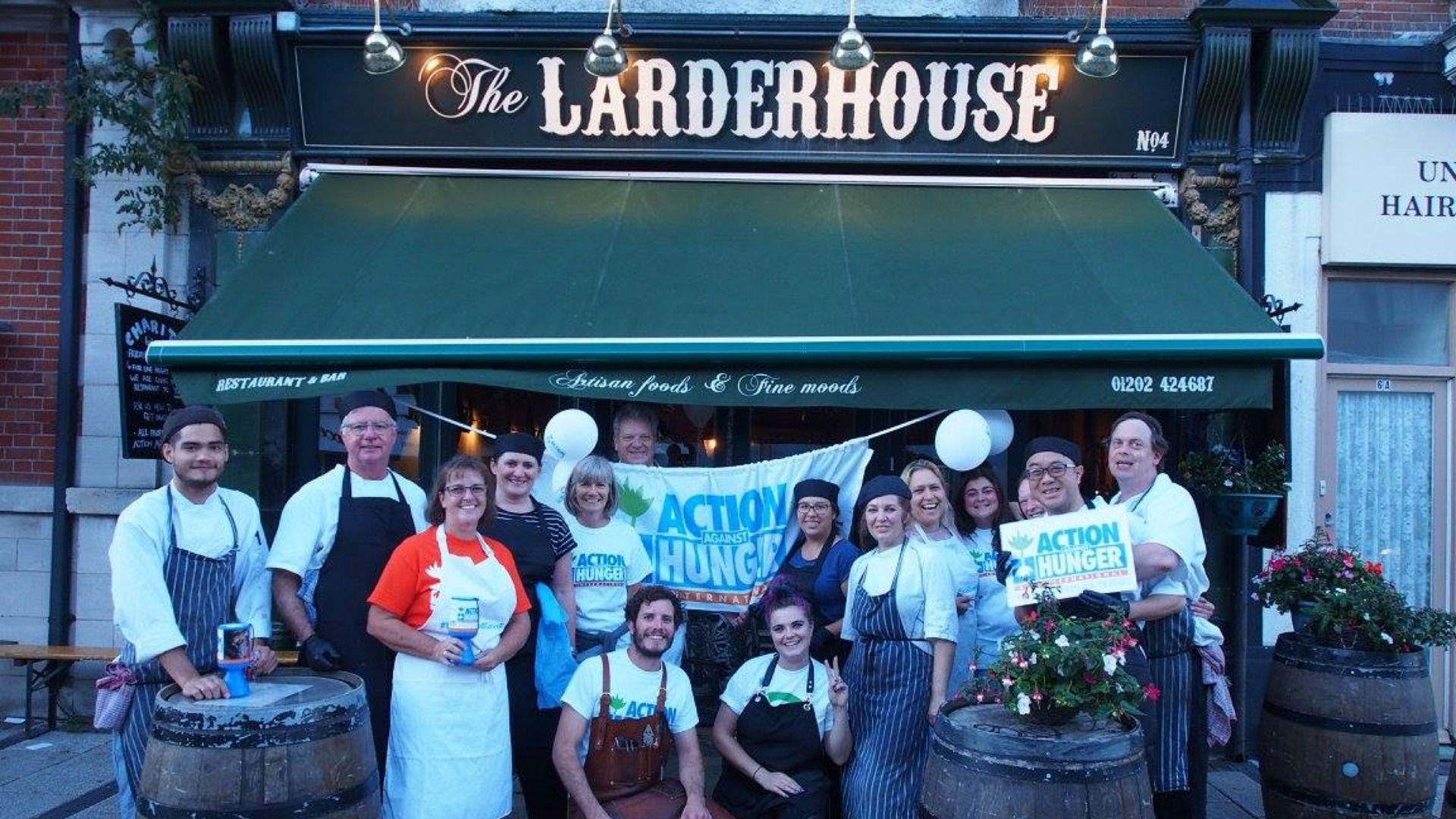
The campaign is being spearheaded by James Fowler, owner of The Larder House in Southbourne, Bournemouth. Fowler says that, after years of pressure from Covid debts, energy costs and higher payroll, the November Budget’s business rates changes felt like a breaking point. He describes local operators as “annoyed and very concerned” not only for their own venues but for businesses across the country, arguing that independents are “simply being taxed out”.
Fowler’s restaurant has now banned its local MP, Tom Hayes, and all other Labour MPs. He says he raised concerns directly with the Chancellor, Rachel Reeves, at Downing Street on the eve of the Budget, but left feeling that his warnings about pressures on the sector were not heard. The following day, the Budget confirmed new tax measures that many operators interpret as increases in their overall burden.
From Southbourne, the “No Labour MPs” stickers have spread quickly. Dorset businesses in Southbourne, Christchurch and Wimborne are among those now supporting the campaign, with some operators treating it as a form of “industrial action” for a sector that cannot easily strike or shut its doors in protest.
A wider high street backlash
The movement has been amplified by Andy Lennox, who runs several venues in Dorset and leads the Wonky Table Campaign group. Lennox has banned Labour MPs from his Old Thatch pub and says he is fielding requests for stickers and advice from operators across the UK. He characterises the industry as being in a “last chance saloon”, arguing that businesses have “done the letters” and “had the meetings”, only to be taxed more.
According to Lennox, the Budget’s combination of higher employer National Insurance contributions, wage costs and reworked property taxes leaves many venues with no room left to cut. The question for some operators is no longer where to save money but which sites can remain viable.
National pub and restaurant groups are also warning of a structural threat. Nick Mackenzie, chief executive of Greene King, which runs around 2,600 pubs, says Labour’s approach to business rates is “not the relief or reform” the sector had been promised and could be the tipping point that permanently changes the shape of Britain’s pub industry. He points to what he calls the “constant layering of costs”, from wage rises and food inflation to recycling rules and rates.
Trade body UKHospitality calculates that small venues such as pubs, bars and cafés will collectively face an extra £318 million in business rates over the next three years, despite the Chancellor’s claim that more than 750,000 retail, hospitality and leisure properties will enjoy permanently lower rates and the “lowest tax rates since 1991”.

Members of the Wonky Table, Andy Lennox, Andy Price, Kris Gumbrell, Josh Simons, Trevor Ayling, Andy Coleman, JJ Adams, James Fowler.
What the government says
Ministers argue that the Budget is pro-hospitality. The Treasury points to a £4.3 billion support package, including a freeze to the small business multiplier, caps on year-one increases for many premises and transitional relief to smooth sudden jumps in bills. Officials also highlight policies such as easier licensing for pavement drinking, a continued cut to draught beer duty and a cap on corporation tax for many businesses.
However, the precise impact of the reforms depends on how each property has been revalued. While some larger department stores such as Harrods and Selfridges are expected to see their bills fall, many smaller high street venues are discovering that, once new rateable values are applied, their final bills will rise in spite of the headline reliefs. Conservatives have branded the changes a “Budget bombshell” for high streets.
Political response and concern over “playground politics”
Tom Hayes, the Labour MP for Bournemouth East, rejects the pub bans as counter-productive. He says he wants to “engage with business owners”, warning that politics on the high street is unwelcome in the run-up to Christmas and that customers in his constituency have already told him they will “spend their money elsewhere” when they see divisive messaging. Hayes argues that he has worked to secure a “proper hearing” in government for Bournemouth, including arranging Fowler’s Downing Street meeting, and insists that the country is still dealing with the legacy of 14 years of previous government.
In a social media response to the bans, Hayes called for an end to “playground politics” and urged businesses and politicians to “sort out our problems together instead of putting up walls”.
Not all industry figures endorse the tactic of excluding MPs. Kris Gumbrell, chief executive of Brewhouse & Kitchen, told ITV that while he does not support bans, he believes politicians should be “seriously concerned” by the depth of frustration among publicans and restaurateurs.
What happens next
The first of the new rates bills are due to take effect from April 2026, giving ministers limited time to amend the system before increases fully feed through. Industry groups are expected to intensify lobbying for targeted relief for smaller bricks-and-mortar venues and for a broader overhaul of property taxation that better reflects the growth of online retail.
In the meantime, the “No Labour MPs” campaign has become a visible symbol of a deeper argument about who should shoulder the cost of repairing the public finances and how quickly. Whether the boycott spreads further or is quietly retired, the underlying tensions between government and hospitality are likely to persist into the next Budget season, with independent pubs, restaurants and fish and chip shops watching closely to see if the promised support materialises on their balance sheets.