

#237: Stoicism, leadership and the real cost of running a business with Giles Fuchs
Posted by Emma on 20th Dec 2025 Reading Time:
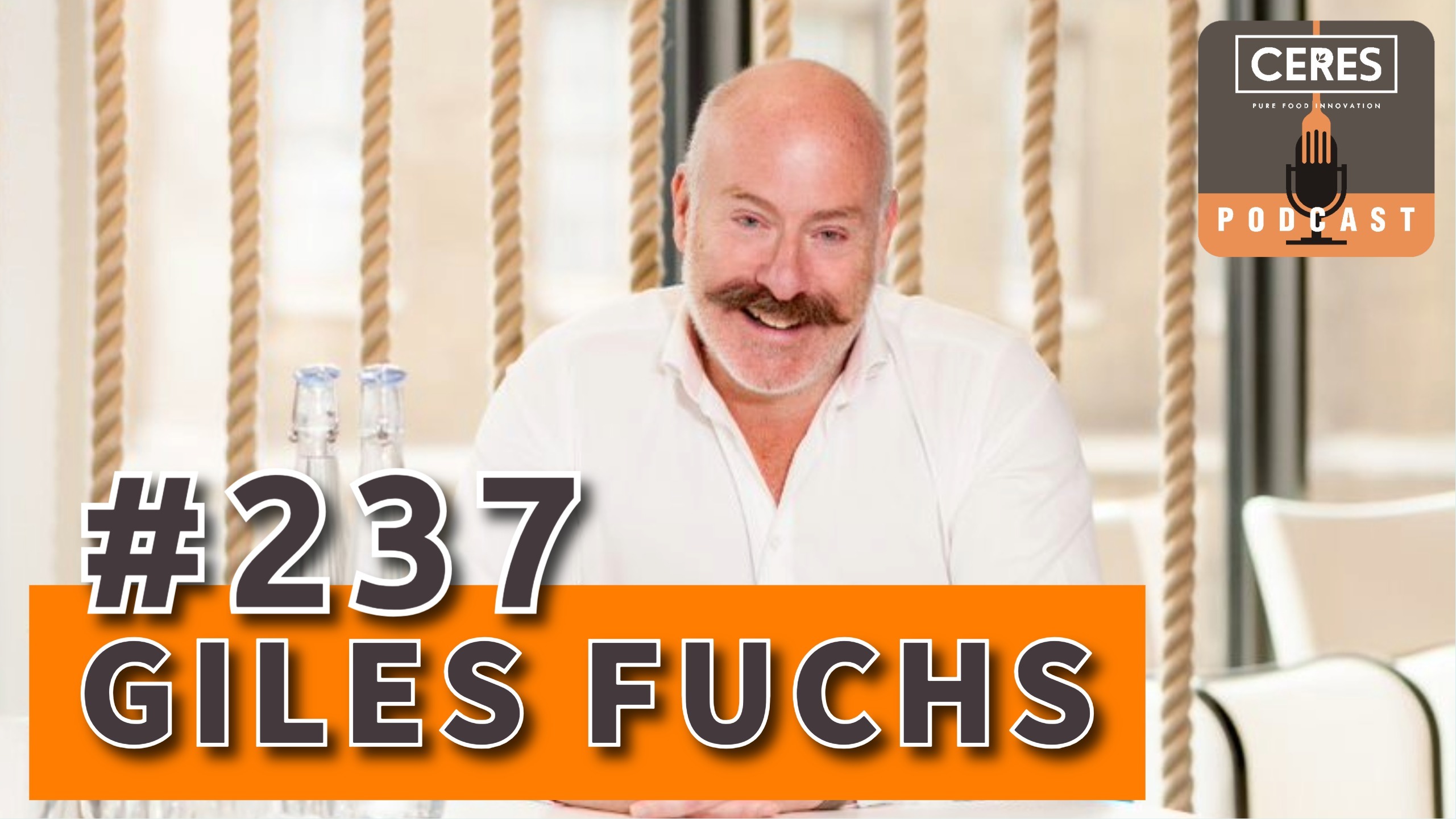
Episode 237 of The Ceres Podcast, hosted by Stelios, brings listeners into a frank and thoughtful conversation with Giles Fuchs of Burgh Island Hotel. What starts with a simple observation about solo diners quickly opens into something bigger: a clear-eyed look at how hospitality businesses earn loyalty, how government policy ripples through real operations, and why personal resilience is not a buzzword but a practical survival skill. For owners and operators who feel squeezed from every angle, this episode matters because it speaks to the daily reality of running a hospitality business and the mindset needed to keep going.
1. The hidden power of how you treat “just one customer”
Early in the episode, Giles makes a point that will feel obvious once you hear it, yet is often neglected in practice. A single diner is not a low-value customer. Treated well, they are a future advocate.
He argues that looking after a solo guest is basic commercial sense because that person may return with family, recommend the business widely, and become a repeat customer. Stelios builds on this by noting that solo travellers often talk about good service right away, creating a “daisy chain” effect of reputation and referrals. The takeaway is sharp for fish and chip shops, pubs, and hotels alike: consistency of welcome is not just manners, it is marketing.
2. Unintended consequences in business and politics
The conversation then pivots to what Giles calls the unintended consequences of decisions, whether made by operators or by government. In business, the example is simple: one poor service moment can lose not only that customer, but everyone they would have brought later.
In politics and policy, Giles and Stelios explore the same cause-and-effect logic at a larger scale. Giles lays out how rising minimum wage, employer costs, business rates, and tourism levies do not happen in isolation. They compress pay differentials, make skilled roles harder to retain, and push businesses to reduce headcount or hours. His reasoning is rooted in operational reality: wages can only rise sustainably if the business can afford them.
Stelios plays devil’s advocate and tests the argument from a government point of view, which produces one of the episode’s most candid exchanges. Giles responds bluntly that while everyone wants higher pay, it cannot be mandated beyond what margins allow without damaging the workforce and the customer experience.
3. Trust, integrity, and the burden of risk
A striking undercurrent is the theme of trust. Giles contrasts how he and his sister built their business with honesty as a deliberate strategy, versus the low trust he feels toward politicians who, in his view, do not speak plainly about trade-offs.
For hospitality owners, this section will resonate. Giles describes the personal guarantees, sleepless nights, and collateral risk behind every expansion decision, something he believes many policymakers have never lived. Stelios adds a real-world example from the fish and chip sector: an owner choosing not to buy a second shop because the added stress no longer feels worth the reward. The implication is sobering. When risk stops being rewarded, growth slows, and the economy loses the jobs and services driven by operators willing to stick their neck out.
4. Stoicism as a practical operating system
The episode closes on something more personal, yet deeply relevant to leadership. Giles describes stoicism not as a fashionable philosophy, but as a tool for staying effective under pressure. He illustrates it with the William Tell story from The Little Book of Stoicism: do everything in your control to prepare, then accept the rest without spiralling.
For business owners, the point is usable. Giles explains that stress usually shows up when he knows he has not prepared properly. If he has done what he can, then outcomes shaped by forces like interest rates, lockdowns, or war are outside his moral burden. Stelios echoes this with his own “failing to prepare is preparing to fail” mindset, tying stoicism directly to good operational habits.
5. Failure, reputation, and honour
Another valuable section is Giles’s reflection on closing his first business. He compares it to bereavement and admits to years of nightmares afterwards. The discussion then turns to the stigma around liquidation in the UK. Giles draws a clear moral line. If a business closes honourably, without knowingly taking money from customers or suppliers when survival is impossible, then failure should not define a person. If it closes dishonestly, the bad reputation is deserved.
This is a rare, grounded look at business failure in hospitality, delivered without self-pity and without pretending that resilience is painless.
Standout moments and quotes
• On solo diners and loyalty building: Giles’s insistence that a single customer deserves full care because they might return with family or spread the word is one of the most actionable reminders in the episode.
• On wage pressure and staffing reality: He frames pay compression as a real operational danger that quietly erodes skilled roles.
• On government costs: Giles summarises the link between policy and jobs in plain language, noting that added costs inevitably translate into fewer staff or reduced hours.
• On stoicism and preparation: The William Tell anecdote works because it turns philosophy into a simple rule for owners: control what you can, then let go of what you cannot.
• On business closure: His description of shutting down a long-running business as “like a bereavement” gives weight to the human cost behind balance sheets.
Why this episode will land with hospitality and fish and chip professionals
Episode 237 does not teach through theory. It teaches through lived business logic. The discussion is wide-ranging, but always circles back to what operators face daily: customer experience, staffing trade-offs, regulation, cash pressure, and the psychological load of being responsible for people’s livelihoods.
Owners who are tired of glossy “success” stories will appreciate the honesty. Operators who are wrestling with recruitment, pay structures, or whether to expand will hear their dilemmas spoken out loud. And anyone trying to stay calm in a high-pressure environment will find practical value in the stoicism section.